
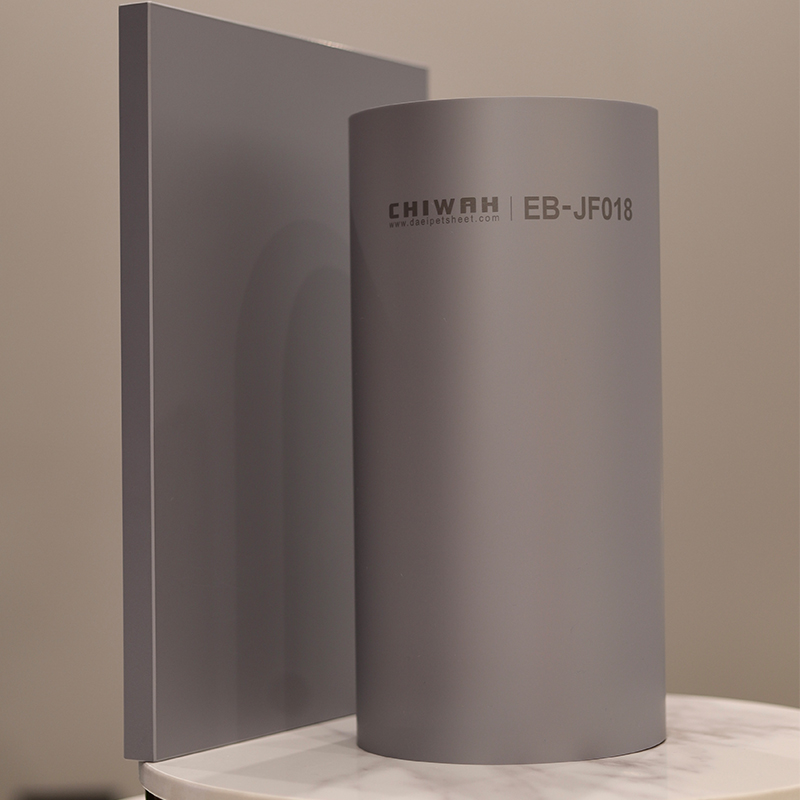
Medium-density fiberboard (MDF board) has been widely used in modern furniture manufacturing and interior decoration. Its flat and smooth surface and excellent processability make it the first choice of many consumers and manufacturers.
However, the impact of MDF board on health, especially the formaldehyde it contains, has always been the focus of public attention. This article will explore in detail the potential health hazards of MDF board and provide suggestions for the correct use and handling of MDF board.
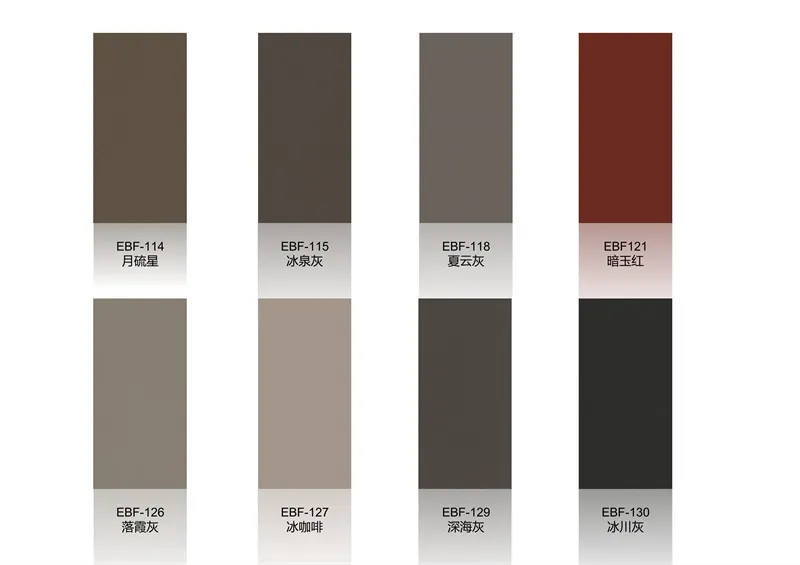
What is MDF board?
MDF board, or medium-density fiberboard, is a man-made board made by combining wood fiber with synthetic resin and pressing it under high temperature and high pressure. MDF board has the characteristics of uniform density, smooth surface, and easy processing. It is widely used in furniture, cabinets, door panels, wall panels and other fields.
What are the potential health hazards of MDF board?
The potential health hazards of MDF board include: formaldehyde release, dust hazards, and other chemicals.
1. Formaldehyde release
The main health risks of MDF board come from the formaldehyde resin used in its production process. Formaldehyde is a known carcinogen. Long-term exposure to high-concentration formaldehyde environments may cause health problems such as respiratory irritation, skin allergies, and eye irritation. Especially in a closed indoor environment, when the formaldehyde release is high, the harm to human health is more significant.
2. Dust hazards
When processing and cutting MDF boards, a large amount of wood fiber dust will be generated. If these dusts are inhaled for a long time, they may cause damage to the respiratory system and increase the risk of diseases such as asthma and bronchitis. Therefore, during the processing of MDF boards, appropriate protective measures need to be taken to avoid dust inhalation.
3. Other chemicals
In addition to formaldehyde, other chemicals such as phenol and urea may be used in the production process of MDF boards. These chemicals may also cause harm to human health under certain conditions. Although most MDF board products do not release a large amount of harmful substances under normal use, the release of chemicals may increase under special environments such as high temperature and humidity.
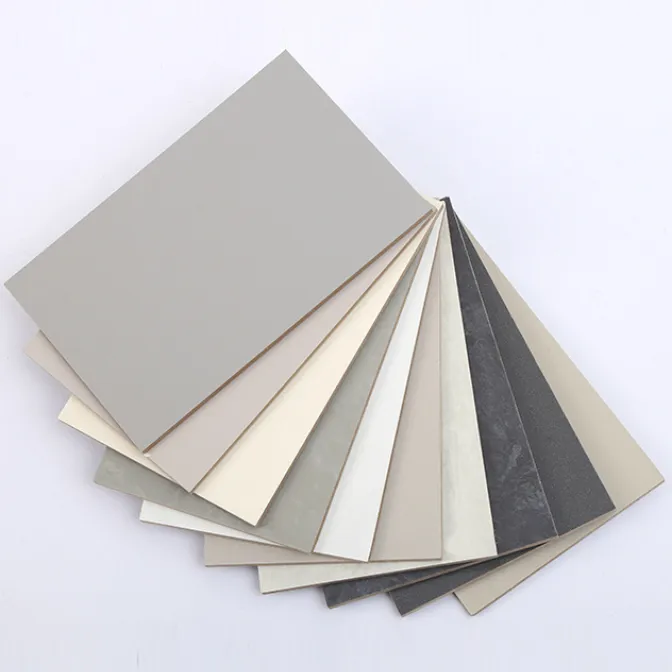
How to use MDF boards correctly?
1. Choose environmentally certified products
When purchasing MDF boards, you should choose products that have passed environmental certification, such as EPA (U.S. Environmental Protection Agency) certification, CARB (California Air Resources Board) certification, etc. These certification standards strictly control the amount of formaldehyde released to ensure that the environmental performance of the product meets the regulations. In addition, you can also choose MDF boards certified by FSC (Forest Stewardship Council) to ensure that the raw materials come from sustainably managed forests.
2. Ventilation and air purification
After using MDF boards to make furniture or carry out interior decoration, good ventilation should be maintained to promote indoor air circulation and reduce the concentration of harmful substances such as formaldehyde. Equipment such as air purifiers can be used to effectively remove formaldehyde and other pollutants in the air and keep the indoor air fresh.
3. Appropriate edge sealing and finishing
During the processing of MDF boards, attention should be paid to proper edge sealing and finishing of the boards to reduce the release of harmful substances such as formaldehyde. Edge sealing and finishing can not only beautify the appearance of the product, but also play a certain role in environmental protection and protect human health.
4. Reasonable selection of usage scenarios
Try to avoid using MDF boards in high temperature, humid and other environments, as these conditions may increase the release of harmful substances. For humid environments such as kitchens and bathrooms, materials with better moisture resistance, such as HMR boards (high moisture-proof boards), should be selected.
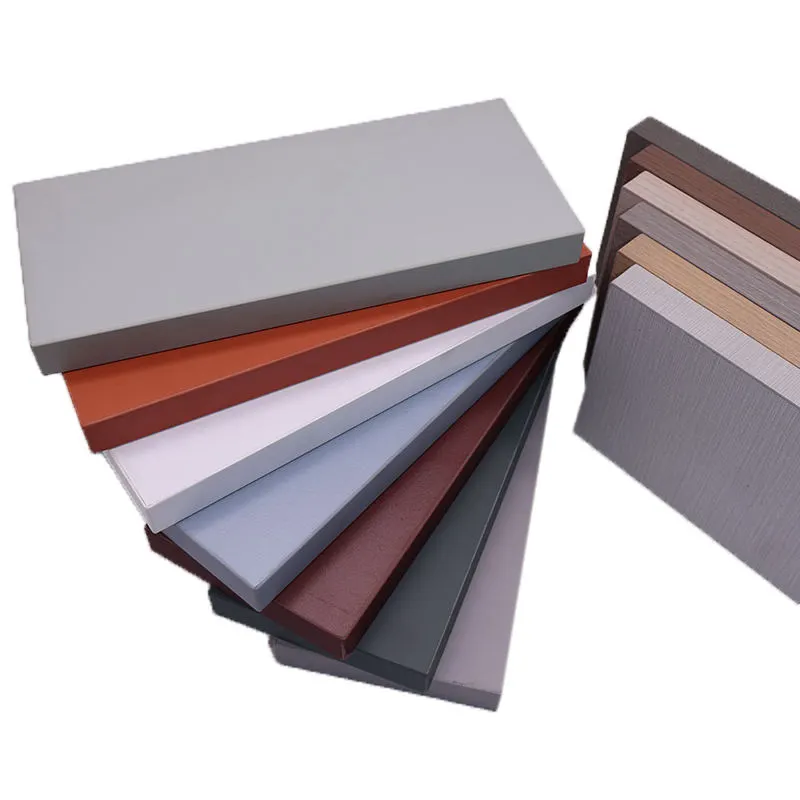
How to properly handle MDF boards?
1. Safe processing
When cutting and polishing MDF boards, protective equipment such as protective masks and goggles should be worn to prevent inhalation of wood fiber dust and eye irritation. At the same time, operations should be performed in a well-ventilated environment to reduce the harm of dust to the human body.
2. Waste disposal
Waste and scraps of MDF boards should be properly handled to avoid pollution to the environment. When handling MDF board waste, local environmental protection regulations should be followed and appropriate waste disposal methods, such as recycling and incineration, should be selected to avoid direct disposal.
3. Recycling
Try to choose recyclable MDF board products to reduce resource waste and environmental pollution. Many MDF board manufacturers have begun to promote recyclable products to reduce dependence on forest resources by recycling wood fibers.
Expert opinions and market feedback
In order to have a more comprehensive understanding of the health effects of MDF boards, we interviewed several experts in the field of home building materials and collected feedback from some consumers.
1. Expert opinions
Most experts believe that under normal use, the formaldehyde emission of MDF boards has little impact on human health. Modern MDF board production technology has greatly reduced formaldehyde emissions, and products that meet environmental standards will not cause obvious harm to health when used reasonably. However, experts also emphasize that when using and handling MDF boards, protective measures should be taken to avoid long-term exposure to high-concentration formaldehyde environments.
2. Consumer feedback
Some consumers are concerned about the health risks of MDF boards, especially in newly renovated houses, where the formaldehyde odor is disturbing. However, most consumers said that by choosing environmentally certified products and taking measures such as ventilation, the health risks of MDF boards can be effectively reduced. Overall, consumers have a positive evaluation of the use effect and environmental performance of MDF boards.
Conclusion
As long as you choose products that meet environmental certification and take appropriate protective measures, MDF boards will not cause obvious harm to human health under normal use.
When purchasing and using MDF boards, consumers should pay attention to the environmental performance of the products and choose certified low-formaldehyde products to ensure health and safety.